Beautiful Botanical Illustration Flowers: Hand-Drawn Detail, Ready for Real Projects
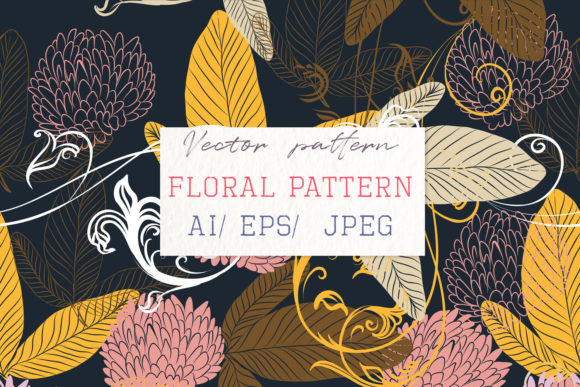
If you’ve ever spent hours searching for floral artwork that feels both timeless and fresh—something with the warmth of ink on paper but the flexibility of modern design—you’re not alone. Beautiful Botanical Illustration Flowers delivers exactly that: 100 high-detail, field-inspired botanical drawings, carefully rendered by hand and then converted into crisp, scalable vector art. These aren’t generic clipart florals or AI-generated approximations. Each stem, petal, leaf, and seed pod was observed, studied, and drawn with intention—then preserved in vector formats so they hold their character at any size.
Why “Hand-Drawn + Vector” Makes a Real Difference
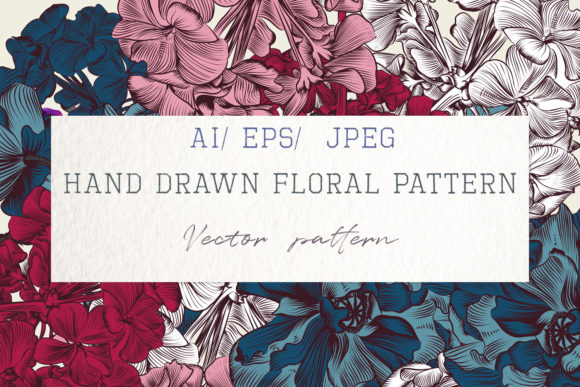
Think about the last time you tried to enlarge a floral pattern for a wedding invitation—and watched the edges blur or pixelate. Or scaled a fabric swatch up for a wallpaper mockup, only to lose delicate linework. That’s where Beautiful Botanical Illustration Flowers stands apart. Because every element is built as vector art (Ai CS2 and EPS10), you can stretch a single daisy from business card size to a 10-foot event backdrop—and it’ll still look like it was drawn with a fine nib pen. The JPEG preview (5000×5000 px) gives you an instant, high-res reference—but the vectors are where the real utility lives.
This isn’t just technical convenience. It’s creative confidence. When your illustrator, printer, or production team asks, “Can this scale?”—you say yes, without hesitation. No reworking. No compromises on line quality. Just clarity, consistency, and quiet professionalism.
Where These Botanicals Show Up in Everyday Work—and Life
People don’t buy botanical illustrations for their file formats. They buy them for what those files let them *do*. Here’s how different users actually apply Beautiful Botanical Illustration Flowers across real situations:
- Wedding planners & stationers: Use individual blooms to build custom monograms, envelope liners, or ceremony programs. A single foxglove or cornflower becomes a signature motif—repeated across save-the-dates, menus, and thank-you cards—without ever looking repetitive or low-res.
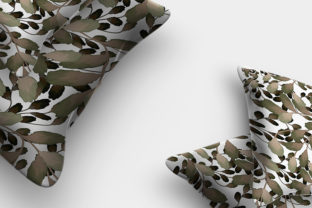
- Textile designers & indie makers: Layer stems and grasses into seamless repeats for scarves, tea towels, or quilting cotton. Because the set includes field flowers (not just roses or lilies), patterns feel grounded, seasonal, and quietly sophisticated—not overly formal or commercial.
- Educators & homeschoolers: Print full-page botanical studies for plant identification units—or break down a single illustration into labeling exercises. The accuracy supports science learning; the beauty keeps students engaged.
- Bloggers & content creators: Drop clean, elegant floral borders around tutorials, recipe roundups, or mindfulness prompts. Unlike stock photos, these illustrations don’t compete with text—they frame and elevate it.
- Small business owners (coffee shops, apothecaries, bookshops): Design seasonal signage, loyalty cards, or gift tags using locally resonant flora—think wild violets, yarrow, or meadow grasses—that subtly reinforce brand authenticity.
What You Gain Beyond the Files
Having 100 vector botanicals means you’re not stuck choosing between “pretty” and “practical.” You get both—without needing illustration skills, licensing negotiations, or design software expertise beyond what you already use. If you work in Canva, Illustrator, Affinity Designer, or even PowerPoint, you can place, recolor, rotate, and layer these elements intuitively.
And because the collection emphasizes field flowers and native plants—not just ornamental cultivars—it lends itself to projects with purpose: conservation campaigns, local garden guides, herbal wellness branding, or nature journaling kits. One user recently adapted the clover and buttercup illustrations into a children’s foraging poster for a community garden—printing it large for outdoor display, then shrinking it for a take-home handout. Same files. Two very different outcomes.
A Note on Seamless Design & Flexibility
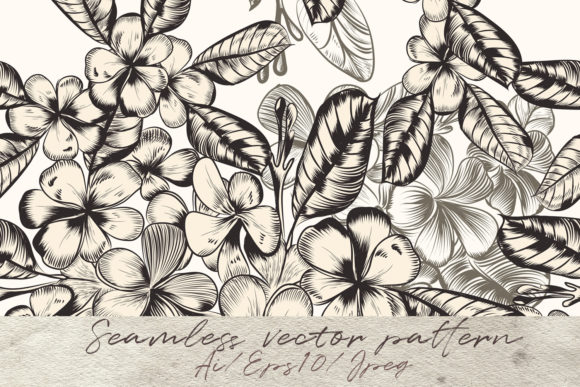
The set is built with repeat-friendly composition in mind. Stems flow naturally across edges. Leaves taper without abrupt cuts. Petals curve outward—not inward—so when tiled, they read as continuous growth, not a grid. That matters whether you’re designing a subtle linen napkin pattern or a bold mural for a yoga studio wall. You won’t need to spend hours masking or adjusting paths to make it work.
What to Consider Before You Use Them
Beautiful Botanical Illustration Flowers shines brightest when you want cohesion, calm, and craftsmanship—not flash or trend-chasing. If your project calls for neon gradients, hyper-realistic photography, or maximalist collage, these may sit too quietly in the mix. But if your goal is elegance with integrity—if you value detail that invites closer looking, not just quick scrolling—this collection aligns.
Also worth noting: while the JPEG preview helps you browse quickly, the true power unlocks in vector editing. You’ll want basic familiarity with grouping, ungrouping, and color replacement (most tools handle this in two clicks). No advanced knowledge needed—but if you’ve never opened an .ai file before, plan 15 minutes to explore how your software handles vector imports. Most find it simpler than expected.
Real Outcomes, Not Just Assets
One freelance graphic designer told us she used three illustrations from the set to redesign a small-batch honey brand’s entire label system—replacing flat stock icons with layered, dimensional botanicals that reflected the actual wildflowers bees foraged from near the hives. Customers started photographing the labels. Retailers asked for display posters. What began as a file download became part of the brand’s storytelling backbone.
Another educator printed 24 illustrations on cardstock, laminated them, and uses them as tactile sorting tools during outdoor lessons. Students match leaves to stems, group by pollination type, or arrange by season. The hand-drawn quality makes them feel approachable—not clinical—so kids ask questions instead of disengaging.
That’s the quiet strength of Beautiful Botanical Illustration Flowers: it doesn’t shout. It supports. It adapts. It holds space for meaning—whether that’s a wedding guest’s first glance at an invitation, a student’s moment of recognition in a field guide, or a small business owner’s pride in packaging that feels truly theirs.
You’re not just adding decoration. You’re adding intention—drawn carefully, delivered flexibly, ready to grow with your next idea.